

K2 Spice Powder: Biomedical Research, Synthetic Cannabinoids, and Safety Profile
What is K2 Spice Powder?
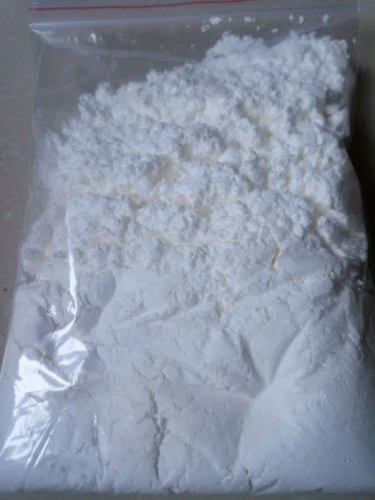
K2 Spice powder consists of synthetic chemical compounds engineered in laboratory settings to bind to human cannabinoid receptors. Originally synthesized by research scientists to explore the endocannabinoid system, these compounds are non-organic chemical constructs distinct from natural phytocannabinoids like Delta-9-THC found in Cannabis sativa. While historically sprayed onto dried plant material to produce commercial “incense” or “potpourri,” the raw powder form represents the bulk synthetic chemical compound prior to formulation.
How Does K2 Spice Powder Work in the Body?
Receptor Affinity and Binding Mechanism
Unlike natural THC, which acts as a partial agonist at human cannabinoid receptors, synthetic cannabinoids in K2 powder act as full, high-potency agonists at both CB1 (primarily central nervous system) and CB2 (primarily peripheral immune system) receptors.
+-------------------------------------------------------+
|                 SYNTHETIC CANNABINOID                 |
|             (Full Agonist / High Affinity)            |
+-------------------------------------------------------+
                           |
                           v
        +---------------------------------------+
        |        Cannabinoid Receptors          |
        +---------------------------------------+
            /                               \
           v                                 v
   +---------------+                 +---------------+
   | CB1 Receptor  |                 | CB2 Receptor  |
   | (Brain / CNS) |                 | (Immune System|
   +---------------+                 +---------------+
           |                                 |
           v                                 v
  - Full Activation                 - Immune Response
  - Rapid Neurochemical Shift         - Peripheral Effects
  - High Toxicity Risk              - Variable Modulation
Neurochemical Escalation
Because synthetic compounds bind with significantly higher affinity and efficacy than natural ligands, they can overload the endocannabinoid network. This rapid neurochemical shift accounts for both their intense physiological activity and their remarkably high toxicity threshold.
Key Benefits of K2 Spice Powder in Research Settings
In authorized biomedical and pharmacological research contexts, synthetic cannabinoids serve specific analytical functions:
-
Receptor Mapping: Enables precise mapping of CB1 and CB2 structural pathways.
-
Pharmacokinetic Modeling: Helps scientists analyze ligand-binding kinetic rates and metabolic pathways.
-
Analytical Calibration: Provides standardized baseline markers for forensic toxicology screening laboratories.
Product Details and Chemical Purity
Laboratory Specifications
-
Chemical Class: Synthetic Cannabinoid Agonist (e.g., Aminoalkylindoles, Cyclohexylphenols).
-
Physical Form: Crystalline / Amorphous Powder.
-
Purity Grade: Standard Analytical Grade (>98% purity verified via High-Performance Liquid Chromatography / HPLC).
-
Solubility: Highly soluble in organic solvents such as ethanol, DMSO, and acetone; insoluble in water.
Dosage & Usage Guidelines
CRITICAL WARNING: K2 Spice powder is strictly prohibited from human or animal consumption. There is no safe, medically approved dosage for human ingestion, inhalation, or topical application.
In formal laboratory settings, handling must be restricted to qualified technicians using calibrated micro-balances. Researchers must wear personal protective equipment (PPE), including nitrile gloves, safety goggles, and a fitted N95 or HEPA respirator to prevent accidental inhalation or dermal absorption of fine bulk particles.
Safety, Side Effects & Precautions
Adverse Health Risks
Because of full agonist activity at CB1 receptors, accidental exposure or human consumption carries a catastrophic risk of severe adverse health outcomes:
-
Cardiovascular: Severe tachycardia (racing heartbeat), sudden hypertension, acute chest pain, and increased risk of myocardial infarction.
-
Neurological: Acute anxiety, severe paranoia, violent agitation, confusion, seizures, hallucinations, and loss of consciousness.
-
Systemic Damage: Acute kidney injury, metabolic acidosis, hyperthermia, respiratory failure, organ failure, and fatal overdose.
Regulatory Status
Synthetic cannabinoids found in K2 products are classified as Schedule I Controlled Substances in many jurisdictions worldwide due to their high potential for abuse and lack of accepted medical applications.
Quality Assurance & Testing
Analytical Verification Methods
Legitimate chemical suppliers and research facilities subject reference standards to rigorous testing protocols:
-
Gas Chromatography-Mass Spectrometry (GC-MS): Verifies molecular mass and structural identity.
-
Nuclear Magnetic Resonance (NMR) Spectroscopy: Confirms chemical structure and isomer purity.
-
Heavy Metal & Solvent Screening: Ensures samples are free of residual manufacturing solvents (e.g., acetone) and heavy metal contaminants.
Potential Applications: Synthetic Cannabinoid Receptor Studies
In legal research environments, synthetic cannabinoid molecules contribute to several fields:
-
Pain & Inflammation Pathways: Studying non-opioid signaling mechanics in neuropathic pain models.
-
Neurodegenerative Disease Models: Exploring how CB2 receptor activation impacts neuroinflammation in neurodegenerative conditions.
-
Forensic Toxicology: Developing rapid-detection immunoassay kits for emergency medical providers and law enforcement.
Shipping & Delivery Information
Chemical reference materials and analytical standards are subject to strict regulatory compliance:
-
Chain of Custody: Shipped exclusively to verified corporate, academic, or governmental laboratory addresses.
-
Dangerous Goods Packaging: Packaged according to international hazardous materials transport standard regulations.
-
Documentation: Accompanied by full Material Safety Data Sheets (MSDS) and Certificates of Analysis (CoA).
How to Order Online (Licensed Research Procurement)
Authorized purchasing officers must follow a strict verification protocol:
-
Account Verification: Submit institutional credentials and state/federal research licenses.
-
End-User Declaration (EUD): Complete documentation certifying that compounds will be used solely for in vitro or analytical research purposes.
-
Secure Processing: Complete payment via verified institutional purchase orders (PO) or corporate banking channels.
Frequently Asked Questions (FAQs)
Is K2 Spice powder legal?
No, the vast majority of synthetic cannabinoid chemical compounds in K2/Spice are classified as Schedule I Controlled Substances globally. Unauthorized possession, sale, or distribution carries severe legal penalties.
Is K2 Spice powder the same as natural cannabis?
No. K2 consists of lab-synthesized chemical compounds. While natural cannabis contains partial agonists with predictable safety profiles, synthetic cannabinoids are potent full agonists that carry a significantly higher risk of severe toxicity and death.
Can K2 Spice powder be detected in standard drug tests?
Standard 5-panel drug screens typically do not detect synthetic cannabinoids. However, specialized forensic liquid chromatography-mass spectrometry (LC-MS) assays are routinely used by toxicologists and law enforcement to detect synthetic cannabinoid metabolites.
| QUANTITY | 1 Gram, 3.5 gram, 7 gram, 10 gram |
|---|
Be the first to review “K2 spice powder”
Related products

K2 POWDER INCENSE
K2 LIQUIDS
K2 LIQUIDS

Reviews
There are no reviews yet.