


What is K2 E-Liquid Code Red?
K2 Liquid “Code Red“ refers to a class of synthetic cannabinoid liquids originally designed to mimic the active compound in cannabis, THC ($\Delta^9$-tetrahydrocannabinol). Unlike natural cannabis, synthetic cannabinoids consist of man-made laboratory chemicals sprayed onto plant material or dissolved into e-liquids used in vaping devices.
While marketed under catchy brand names such as “Code Red,” these compounds do not contain natural cannabinoids. Instead, they interact with the body’s endocannabinoid system—specifically the $\text{CB}_1$ and $\text{CB}_2$ receptors—often with much higher potency and unpredictability than natural plant compounds.
Key Characteristics & Chemical Properties
1. Full Agonist Activity
Natural THC acts as a partial agonist at the $\text{CB}_1$ receptor, which limits its maximum physiological effect. Most synthetic cannabinoids found in products like K2 Liquid act as full agonists.
This full agonism means synthetic compounds can overstimulate brain receptors, leading to significantly higher toxicity and unpredictable central nervous system responses.
2. Variable Chemical Composition
Because synthetic cannabinoids are unregulated, batch compositions fluctuate wildly. A single bottle or reservoir may contain varying concentrations of chemicals or entirely different synthetic compounds altogether.
Safety, Side Effects & Critical Risks
The physiological impact of synthetic cannabinoids can be unforgiving, frequently causing medical emergencies.
Common & Severe Side Effects
-
Cardiovascular Stress: Rapid heart rate (tachycardia), high blood pressure, and increased risk of chest pain or heart attack.
-
Neurological Disturbances: Severe agitation, confusion, paranoia, hallucinations, and seizures.
-
Renal Toxicity: Cases of acute kidney injury have been clinically documented following the intake of synthetic cannabinoids.
-
Psychological Distress: Extreme anxiety, panic attacks, and psychotic episodes that can persist long after the substance leaves the system.
Precautions & Risk Factors
-
Avoid Vaping Unknown Liquids: Unregulated e-liquids frequently contain undisclosed synthetic adulterants.
-
Risk of Overdose: Due to high potency, the threshold between an intended dose and a toxic overdose is dangerously narrow.
-
Drug Interactions: Combining synthetic cannabinoids with alcohol, prescription medications, or other drugs exponentially increases the risk of severe adverse reactions.
Quality Assurance, Testing & Identification
In forensic and medical contexts, detecting synthetic cannabinoids requires specialized laboratory testing rather than standard drug screens.
Advanced Analytical Methods
-
Gas Chromatography-Mass Spectrometry (GC-MS): Used by forensic labs to identify specific synthetic chemical structures.
-
High-Performance Liquid Chromatography (HPLC): Analyzes liquid mixtures to detect novel synthetic compounds that continuously emerge on the black market.
Standard commercial drug tests often fail to detect newly synthesized variants, making professional laboratory analysis the only reliable identification method.
Legal Status & Regulatory Warning
Across major regulatory bodies (including the US FDA, DEA, and international public health organizations), synthetic cannabinoids found in K2 and Spice variants are classified as Schedule I Controlled Substances or restricted chemicals.
-
Legality: Distribution, sale, and possession of these synthetic compounds carry severe legal penalties in most countries.
-
Consumer Warning: Products claiming to be “legal high” e-liquids or herbal incense frequently mask illicit synthetic compounds that pose severe life-threatening hazards.
Educational FAQ
What are synthetic cannabinoids?
Synthetic cannabinoids are human-made chemicals designed to bind to the same brain receptors as natural THC. However, they are chemically distinct from natural cannabis and produce far more dangerous effects.
Is K2 liquid safe to consume?
No. Medical and regulatory authorities strongly advise against using K2 liquid products due to unpredictable chemical concentrations, high potential for toxicity, and severe risks of addiction, cardiovascular harm, and acute organ failure.
What should you do in case of accidental exposure or overdose?
If someone shows signs of severe confusion, extreme agitation, loss of consciousness, or seizures after exposure to synthetic cannabinoids, call emergency services (e.g., 911 or local emergency numbers) immediately.
| QUANTITY | 50ml, 100ml, 200ml |
|---|
Be the first to review “K2 E-Liquid Code Red”
Related products


K2 POWDER INCENSE

K2 LIQUIDS

K2 LIQUIDS

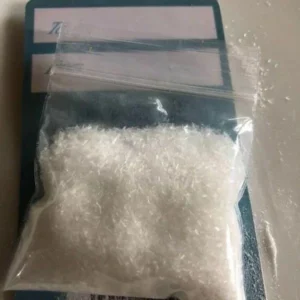
K2 POWDER INCENSE
Reviews
There are no reviews yet.